How to Start a Vegetable Garden 🌱🥕🏡
I remember when I first started gardening. I thought I needed lots of tools, special soil, and plenty of experience. I quickly learned that gardening can actually be much simpler than it looks.
With a little patience and some basic planning, you can Start a Vegetable Garden and enjoy watching your own food grow.
Let’s get started! 🌿
🌱 Why Start a Vegetable Garden?
There are so many wonderful reasons to grow vegetables at home.
For me, one of the best things is simply being able to walk outside and pick something fresh for dinner. 🥗
A vegetable garden can also:
- 🥕 Provide fresh vegetables
- 💰 Help reduce grocery expenses
- 🌿 Give you a relaxing outdoor activity
- ☀️ Encourage you to spend more time outside
- ❤️ Give you the satisfaction of growing something yourself
You don’t have to grow dozens of vegetables.
Even a few tomato plants, lettuce, or herbs can make a wonderful beginning.
☀️ Choose the Right Location
The first thing to consider when you Start a Vegetable Garden is where you will put it.
Most vegetables need plenty of sunlight.
Look around your yard and find an area that receives several hours of direct sunlight each day.
A spot close to your house can be especially convenient because you won’t have to walk far when watering or harvesting.
If you don’t have a backyard, don’t worry!
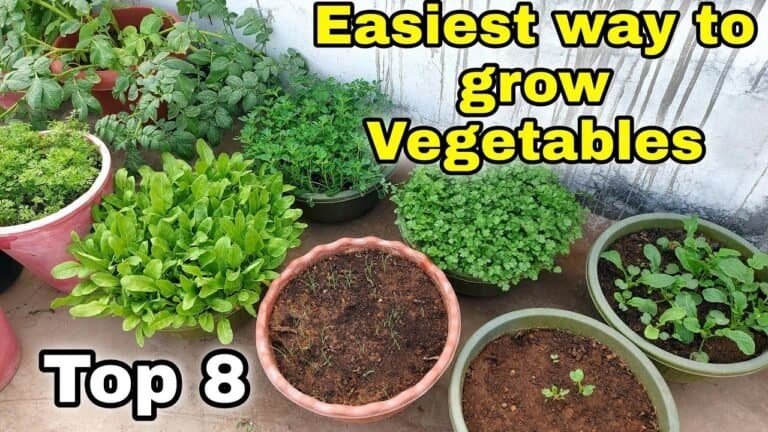
You can grow many vegetables in containers on a patio, balcony, or small outdoor space. 🪴
🥕 Start Small
This is one of my biggest pieces of gardening advice.
Don’t try to create a giant garden on your first attempt.
When I started gardening, I wanted to grow everything at once. It quickly became too much work! 😄
Instead, start with just a few vegetables.
Good choices for beginners include:
- 🍅 Tomatoes
- 🥬 Lettuce
- 🥕 Carrots
- 🥒 Cucumbers
- 🌱 Green beans
- 🌿 Herbs
Once you become comfortable, you can always make your garden bigger.
🌿 Prepare the Soil
Healthy soil is one of the most important parts of a successful garden.
Before planting, remove weeds, rocks, and large pieces of debris from the area.
Loosen the soil with a garden fork or shovel.
Adding compost or other organic matter can help improve the soil and provide nutrients for your plants.
If you’re unsure about your soil, you can also have it tested.
Don’t worry if your soil isn’t perfect on the first day.
Gardening is a learning process. 🌱
🧑🌾 Decide What to Plant
When you Start a Vegetable Garden, choose vegetables that grow well in your local climate and season.
This is very important.
Not every vegetable grows well at every time of year.
Tomatoes, for example, generally enjoy warm weather, while some leafy greens prefer cooler temperatures.
Before buying seeds, check the recommended planting times for your area.
Your local garden center can also be a great source of advice.
🌱 Seeds or Young Plants?
You have two basic choices.
You can start your garden from seeds or buy small plants that are already growing.
🌰 Seeds
Seeds are usually inexpensive and offer many varieties.
They can also be very rewarding because you get to watch the entire growing process.
🪴 Young Plants
Young plants are often easier for beginners.
You skip the early stages and can get your garden growing more quickly.
If this is your first time gardening, I recommend trying a combination of both.
💧 Learn How Much Water Your Plants Need
One of the easiest mistakes to make when you Start a Vegetable Garden is watering too much.
More water does not always mean healthier plants.
Different vegetables have different needs.
The soil should generally be moist but not constantly soaking wet.
Water in the morning when possible.
This gives plants time to absorb moisture before the hottest part of the day.
And remember, weather matters too.
If it has rained, you may not need to water at all. ☔
🐛 Watch for Garden Pests
Unfortunately, we’re not the only ones who enjoy fresh vegetables! 😄
Insects and other garden pests may also discover your plants.
Check your garden regularly.
Look under leaves and around the stems.
If you notice damaged leaves, holes, or insects, try to identify the problem before taking action.
Avoid using strong pesticides unnecessarily.
There are many gardening methods available, and your local garden center can help you choose an appropriate solution for your plants and area.
🧹 Keep the Garden Tidy
A little maintenance goes a long way.
Remove weeds when you notice them.
Pick ripe vegetables regularly.
Remove dead or damaged leaves.
Keep the area around your plants reasonably clean.
You don’t need to spend hours in the garden every day.
I prefer doing a little bit at a time.
Even 10 or 15 minutes can make a difference. 😊
🍅 Give Your Plants Room
When you Start a Vegetable Garden, it can be tempting to plant everything very close together.
Don’t!
Plants need enough room for their roots, leaves, and stems to develop.
Always check the spacing recommendations on your seed packet or plant label.
Giving plants enough space can also improve airflow and make it easier to care for them.
🌿 Consider Growing Herbs
If you have limited space, herbs are a wonderful place to begin.
You can grow herbs such as:
- 🌿 Basil
- 🌱 Parsley
- 🌿 Mint
- 🌿 Chives
- 🌿 Rosemary
Many herbs can even grow successfully in containers.
Having fresh herbs just outside your kitchen door is incredibly convenient.
And they can make simple meals taste so much better! 🍝❤️
🪴 What If You Don’t Have a Backyard?
You can still Start a Vegetable Garden.
Container gardening is a wonderful option for people who live in apartments, townhouses, or homes with very little outdoor space.
You can use:
- 🪴 Pots
- 🪣 Large containers
- 🌿 Window boxes
- 🧺 Raised planters
Just make sure your containers have proper drainage.
A sunny balcony can become a surprisingly productive little garden.
🗓️ How Much Time Does a Vegetable Garden Take?
Don’t let the idea of gardening make you think you need to spend hours outside every day.
A small garden can be managed with regular short visits.
Check your plants, pull a few weeds, look for pests, and water when necessary.
As the plants grow, you’ll naturally learn what they need.
And honestly, spending a little time outside with the plants can be one of the nicest parts of the day. ☀️🌿
❤️ My Final Tips for Beginners
If you want to Start a Vegetable Garden, my biggest advice is simple:
Start small and don’t be afraid to make mistakes.
Some plants may grow beautifully.
Others may not.
That’s completely normal.
Every gardening season teaches you something new.
Start with a few easy vegetables, give them sunlight and water, take care of the soil, and be patient.
Before long, you’ll be walking into your garden and picking vegetables that you grew yourself. 🥕🍅🥬
And believe me, there is something very special about serving a meal made with food from your own garden.
Enjoy the process, don’t worry about perfection, and most importantly — have fun! 🌱❤️
🏡 More Helpful Tips from Homer Tips
Enjoyed this tip? 😊 Explore more simple ideas to make your home a happier, cleaner, and more comfortable place!
🌿 Garden Tips — Discover easy gardening ideas and helpful tips for your outdoor space.
🏠 Home Tips — Find practical cleaning, organization, decorating, and everyday home advice.
📱 Follow Us — Follow Homer Tips on social media for more useful tips and inspiration!
👉 Keep exploring Homer Tips and discover something new for your home today! ❤️