How to Keep Food Fresh Longer: 15 Easy Kitchen Tips 🥦🍓
How to keep food fresh longer is something every home cook should know, especially when you want to save money, reduce food waste, and enjoy fresh ingredients every day. ❤️
Have you ever bought beautiful fruits and vegetables, only to find them spoiled a few days later? It happens in many homes, but a few simple storage habits can make a big difference.
I have learned that keeping food fresh does not need to be complicated or expensive. Sometimes, small changes in the way we store groceries can help us enjoy them for longer.
Today, I am sharing 15 easy kitchen tips to help you keep your food fresher, organize your refrigerator, and make the most of every grocery trip. Let’s get started! 🌷
1. Keep Your Refrigerator at the Right Temperature 🌡️
One of the most important ways to learn how to keep food fresh longer is to make sure your refrigerator is cold enough.
The refrigerator should be set at 40°F (4°C) or below. Your freezer should be set at 0°F (-18°C).
A refrigerator thermometer can help you check the temperature because the number on the control dial may not show the actual temperature inside.
Keeping your refrigerator at the right temperature helps slow the growth of harmful bacteria and keeps perishable foods safer.
Helpful tip: Avoid leaving the refrigerator door open for too long while deciding what to eat.
2. Store Fresh Herbs Like a Little Bouquet 🌿
Fresh herbs such as parsley, cilantro, and mint can lose their freshness quickly if stored incorrectly.
For many soft herbs, you can try this simple method:
- Trim a small amount from the bottom of the stems.
- Place the stems in a glass with a little water.
- Cover the leaves loosely with a clean bag if appropriate.
- Store them in the refrigerator when suitable for that herb.
- Change the water when it becomes cloudy.
Basil is an exception. It often keeps better at room temperature because it can be damaged by cold temperatures.
Always discard herbs that develop mold or unpleasant odors.
3. Keep Berries Dry and Fresh 🍓
Strawberries, blueberries, raspberries, and blackberries are delicious, but moisture can encourage mold.
If you want to know how to keep food fresh longer, start by checking your berries as soon as you bring them home.
Remove any berries that are moldy or badly damaged. Store the remaining berries in a clean container that allows some airflow, and refrigerate them.
It is usually best to wash berries shortly before eating rather than washing the entire container in advance.
If you do wash them early, dry them thoroughly before storage.
Little reminder: Check your berries every day or two so you can remove any spoiled pieces promptly.
4. Store Potatoes in a Cool, Dark Place 🥔
Potatoes need a different storage method from many refrigerator foods.
Keep them in a cool, dry, dark, and well-ventilated place. A pantry or suitable cupboard can work well.
Avoid storing potatoes in sealed plastic bags because trapped moisture can encourage spoilage.
Keep potatoes away from direct sunlight, which can cause greening.
It is also a good idea to store potatoes separately from onions because each can affect the other’s storage life.
Do not eat potatoes that are extensively green, bitter, or badly spoiled.
5. Keep Bananas Away From Other Produce 🍌
Bananas release ethylene, a natural gas that helps certain fruits ripen.
This can be useful when you want fruit to ripen, but it may also speed up ripening in nearby ethylene-sensitive produce.
If your bananas are ripening too quickly, keep them separate from other fruits and vegetables that are sensitive to ethylene.
Once bananas reach your preferred ripeness, you can refrigerate them to slow further ripening. The peel may turn dark, but the fruit inside can remain perfectly usable for a while.
You can also peel ripe bananas, cut them into pieces, and freeze them for smoothies or baking.
6. Store Leafy Greens With Care 🥬
Lettuce, spinach, kale, and other leafy greens can wilt when they lose moisture or become slimy when excess moisture collects.
To help them last longer:
- Remove damaged or slimy leaves.
- Store greens in the refrigerator.
- Use a clean container or produce bag suitable for the greens.
- Add a clean paper towel if it helps absorb excess moisture.
- Replace the towel if it becomes wet.
Avoid packing greens tightly when they are damp.
If you are learning how to keep food fresh longer, remember that leafy greens need a balance: they should not dry out, but they should not sit in excess moisture either.
7. Keep Apples and Citrus Fruits Organized 🍎🍊
Apples, oranges, lemons, and other citrus fruits can last for different lengths of time depending on their freshness and storage conditions.
For longer storage, refrigeration is often a good choice for apples and citrus fruits.
Check them regularly and remove any fruit that becomes moldy or damaged.
If you keep fruit in a bowl on the counter, avoid placing it in direct sunlight or near heat-producing appliances.
Simple habit: Buy only the amount you expect to use before the fruit starts to deteriorate.
8. Store Leftovers in Small Containers 🍲
Leftovers are wonderful for busy days, but they need to be stored safely.
Place cooked food in shallow containers so it cools more quickly, and refrigerate it within two hours of cooking. If the surrounding temperature is above 90°F (32°C), refrigerate it within one hour.
Do not wait for food to cool completely on the counter.
Label containers with the date so you know when the food was prepared.
Most cooked leftovers should be eaten within three to four days when properly refrigerated. Reheat leftovers to 165°F (74°C).
These simple habits are essential when learning how to keep food fresh longer while protecting your family’s health.
9. Freeze Food Before It Goes Bad ❄️
Your freezer can help you save money and reduce waste.
If you know you will not use certain foods in time, freeze them while they are still fresh and in good condition.
You can often freeze:
- Sliced bread.
- Ripe bananas.
- Berries.
- Chopped vegetables suitable for freezing.
- Cooked soups and stews.
- Leftover portions of suitable meals.
Use freezer-safe containers or bags, remove excess air where practical, and label each item with the name and date.
For the best quality, follow reliable freezing instructions for each food.
Freezing does not make spoiled food safe, so always freeze food while it is still in good condition.
10. Keep Bread Fresh Without Wasting It 🍞
Bread can become stale or moldy depending on the temperature, humidity, and type of bread.
If you plan to eat it within a few days, store it according to the package instructions in a clean, dry place.
If your home is warm or humid, refrigeration may slow mold growth, although it can make bread go stale faster.
For longer storage, freezing bread is often a better option.
Slice the loaf before freezing so you can remove only what you need.
Money-saving tip: Freeze half a loaf as soon as you bring it home if you know you will not finish it quickly.
11. Store Cheese and Dairy Products Properly 🧀
Milk, yogurt, cheese, and other dairy products should be refrigerated promptly.
Keep your refrigerator at 40°F (4°C) or below and follow the storage instructions on each package.
Avoid leaving dairy products on the counter while preparing a meal.
For cheese, use suitable wrapping or a container recommended for its type. Different cheeses have different moisture levels and storage needs.
Always check for changes in smell, texture, or appearance, and follow package guidance.
Do not rely on smell alone to determine whether a perishable food is safe.
12. Keep Dry Pantry Foods in Airtight Containers 🫙
Flour, rice, pasta, cereal, and dried beans can stay in good condition when stored properly.
Keep these foods in a cool, dry place away from sunlight and moisture.
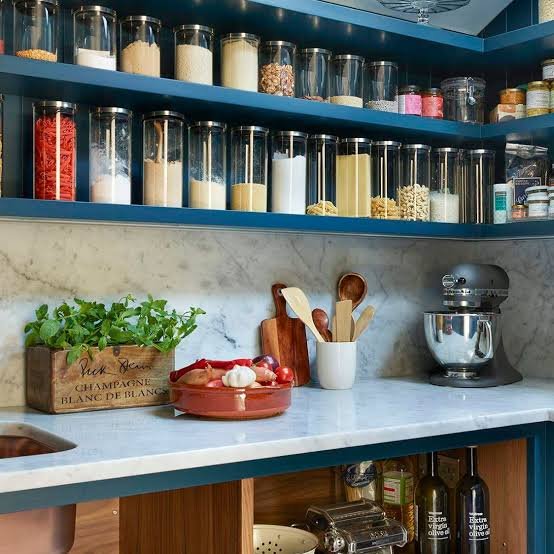
Airtight containers can help protect pantry staples from humidity and household pests.
Make sure the containers are clean and completely dry before filling them.
It is also helpful to label containers with the food name and expiration or best-quality date when appropriate.
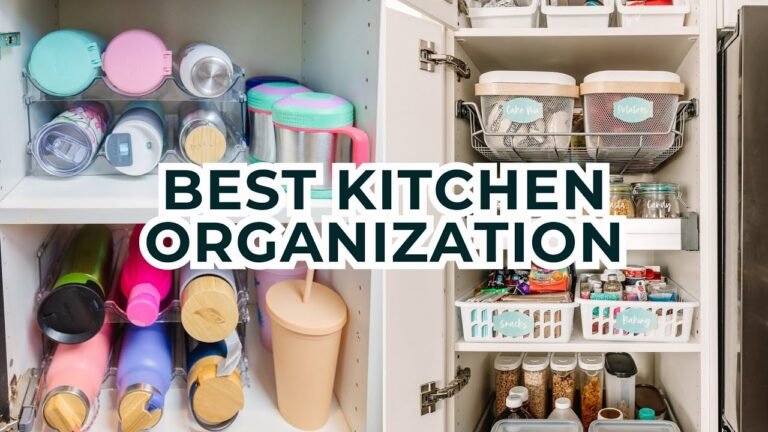
Organizing your pantry this way makes it easier to see what you already have and avoid buying duplicates.
13. Do Not Wash Vegetables Before Storing Them Unless Needed 🥕
Some vegetables keep better when stored dry and washed just before use.
Excess moisture can encourage spoilage in certain produce, especially when it collects inside a sealed container.
However, there is no single rule for every vegetable. Some produce benefits from specific preparation or packaging, so follow reliable storage instructions for the items you buy.
For many vegetables, removing damaged pieces and keeping them in a suitable refrigerator drawer can help.
Always wash fresh produce under running water before preparing or eating it. Do not use soap or household cleaning products on fruits and vegetables.
14. Organize Your Refrigerator the Smart Way 🧊
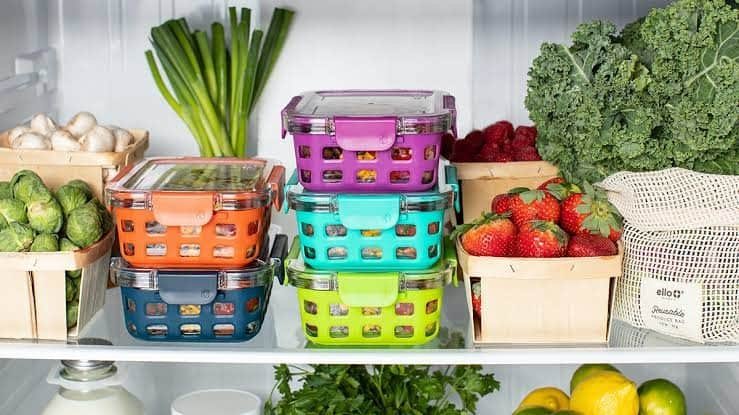
A well-organized refrigerator can help you find food before it gets forgotten.
Here are a few simple ideas:
- Keep ready-to-eat foods covered and easy to see.
- Store raw meat and seafood in sealed containers on the lowest shelf to prevent drips.
- Use refrigerator drawers according to your appliance’s instructions.
- Avoid overcrowding shelves because cold air needs room to circulate.
- Put older products where you can see them and use them first.
- Clean up spills as soon as they happen.
Keep perishable foods out of the refrigerator door if they need consistently cold temperatures, because the door tends to warm up more often.
A little organization makes it easier to understand how to keep food fresh longer without forgetting what is hiding at the back of the fridge.
15. Plan Your Meals Before Grocery Shopping 🛒
One of the simplest ways to reduce food waste starts before you even enter the grocery store.
Before shopping, check your refrigerator, freezer, and pantry.
Make a short list of the foods you already have and plan a few meals around ingredients that need to be used soon.
For example:
- Use ripe bananas in oatmeal or smoothies.
- Add leftover vegetables to soup.
- Use fresh spinach in an omelet.
- Freeze bread that you will not eat this week.
- Prepare a meal using ingredients that are close to their quality date.
Buy only the amount of fresh produce you are likely to eat.
This practical habit can save money and help you make better use of the food you bring home.
Common Food Storage Mistakes to Avoid ⚠️
Even with good intentions, a few everyday habits can make food spoil sooner or become unsafe.
Try to avoid these common mistakes:
Leaving groceries out too long: Refrigerate perishable food promptly.
Ignoring refrigerator temperature: Keep it at 40°F (4°C) or below.
Storing wet produce in sealed containers: Excess moisture can encourage mold and spoilage in some foods.
Keeping leftovers for too long: Label containers and follow recommended storage times.
Putting spoiled produce next to fresh produce: Check your food regularly and remove spoiled items.
Overfilling the refrigerator: Leave enough room for cold air to circulate.
Freezing food after it has spoiled: Freezing does not reverse spoilage or make unsafe food safe.
Small changes can make a big difference in your kitchen routine. ❤️
Frequently Asked Questions ❓
What is the best way to keep food fresh longer?
The best method depends on the food. Refrigerate perishable foods promptly, store produce according to its needs, keep your refrigerator at 40°F (4°C) or below, and freeze suitable foods before they spoil.
Should I keep all fruits in the refrigerator?
No. Some fruits, such as bananas before they ripen, are often kept at room temperature. Apples and many berries generally benefit from refrigeration. Check the storage recommendations for each fruit.
How long can leftovers stay in the refrigerator?
Most cooked leftovers can be refrigerated for three to four days when stored promptly in a refrigerator at 40°F (4°C) or below. Freeze them if you need to keep them longer.
Does washing fruit before storing it make it spoil faster?
It can in some cases, especially if the fruit remains wet in a closed container. For many berries, washing shortly before eating helps preserve quality. Always wash produce before eating it.
Can I freeze food close to its expiration date?
You can freeze many foods while they are still safe and in good condition. Do not freeze food that has already spoiled, and follow product-specific storage instructions.
Final Thoughts ❤️
Learning how to keep food fresh longer is not about buying expensive containers or changing everything in your kitchen.
It is about creating a few simple habits that help you save money, reduce waste, and enjoy the food you buy.
Keep your refrigerator at the right temperature, store fruits and vegetables properly, freeze food when necessary, and plan your meals before shopping.
Most importantly, remember that every food has different storage needs. When in doubt, follow reliable food-safety guidance rather than relying only on appearance or smell.
Start with one or two of these tips this week. Little by little, you can make your kitchen more organized and your grocery budget go further. 🌷
Enjoy these simple kitchen tips? Visit Homer Tips for more practical ideas to keep your home clean, organized, and comfortable. 🏡
🏡 More Helpful Tips from Homer Tips
Enjoyed this tip? 😊 Explore more simple ideas to make your home a happier, cleaner, and more comfortable place!
🌿 Garden Tips — Discover easy gardening ideas and helpful tips for your outdoor space.
🏠 Home Tips — Find practical cleaning, organization, decorating, and everyday home advice.
📱 Follow Us — Follow Homer Tips on social media for more useful tips and inspiration!
👉 Keep exploring Homer Tips and discover something new for your home today! ❤️